



Let’s be honest—just hearing the word assessment can make teachers cringe. It brings to mind piles of tests to grade, data meetings, and those moments when you realize your students didn’t quite grasp a concept as well as you thought. But here’s the thing—I don’t see assessment as a dreaded task. In fact, I think it’s one of the most powerful (and freeing!) tools we have as teachers. When done

As elementary teachers, we all want our students to become strong, confident readers. Traditionally, many elementary reading comprehension programs focus heavily on isolated skill drills—like practicing main idea, cause and effect, or inference—with passages about random topics. While explicit instruction in reading skills is important, research overwhelmingly shows that teaching reading through rich content—especially science and social studies topics—builds stronger comprehension, vocabulary, and overall reading success. Keep reading to learn

If you’re an elementary teacher, you’ve likely seen students forget key skills or struggle to apply what they’ve learned over time. This is where spiral review becomes a powerful teaching strategy! Research-backed and highly effective, spiral review provides daily, short practice sessions that help students retain information, reinforce understanding, and build long-term mastery in both reading and math. What is Spiral Review? Why is it Important for Student Retention? Spiral

The Science of Reading has become the latest hot topic in education. However, The Science of Reading is a broad term that refers to scientifically based research about teaching reading. While many know the Science of Reading has a large focus on phonics and decoding, many are unsure of what this looks like for upper elementary grades. So how do elementary teachers push forward with helping their students progress with

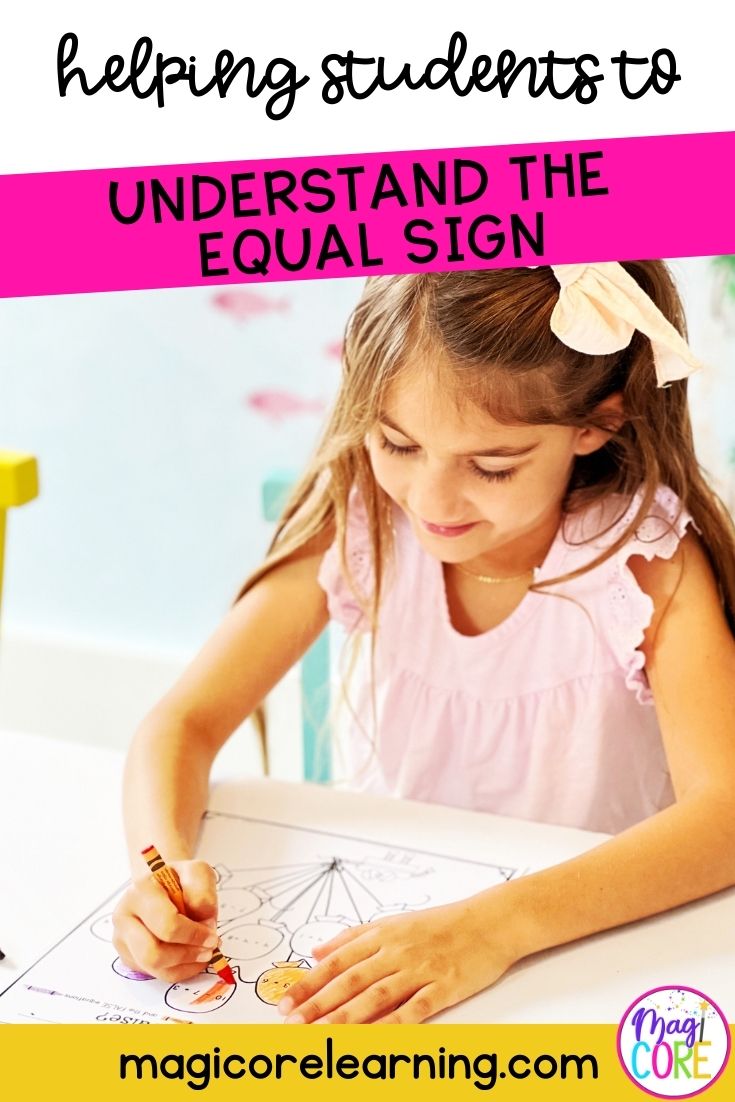
Who knew that in all of those years of my school career, the equal sign didn’t just mean that the answer goes on the other side of the equation? That’s what the student side of me thought, but the teacher side of me knows better now. The equal sign actually means that the equation is balanced. I know, I know… we didn’t balance equations until high school algebra, or did

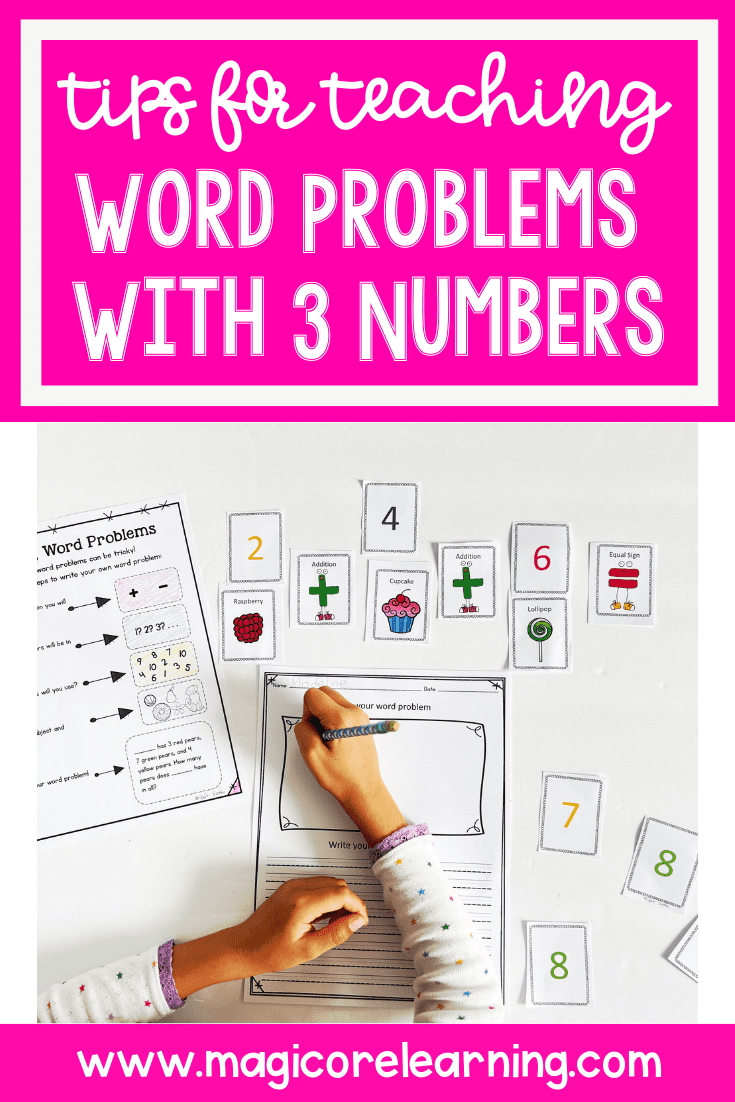
I love teaching adding 3 numbers in word problems. Yes, you may be furrowing your brows right now. I know word problems have somewhat of a stigma of making students and teachers cringe and for good reason. They can be challenging on both ends. The beauty of adding 3 numbers in a word problem is that most of the leg work has already been done. Strategies for solving a word

Can we take a second to talk about skills that we were under an assumption would be easy for students to grasp but in reality it’s just a smidge more challenging than we thought it would be? Every year I would say “I’m going to stop assuming.” And guess what happens? I keep assuming. Did any skills come to mind as you read the first sentence? The one that came

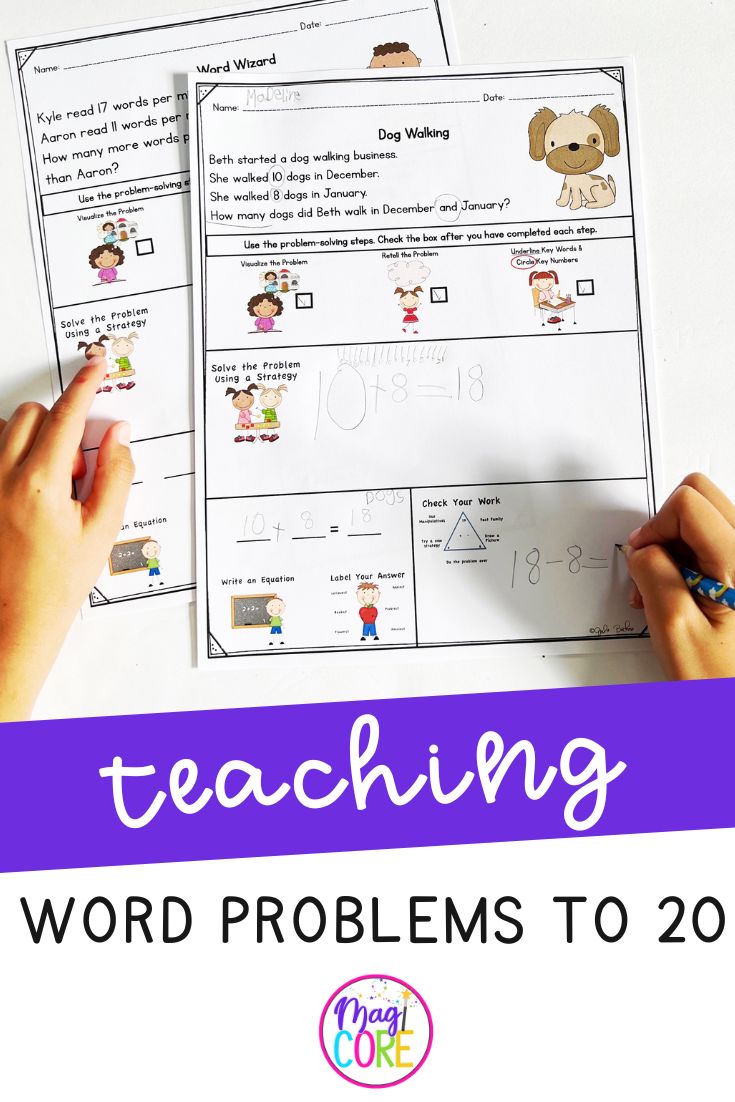
It’s a couple of months into your school year and you’ve probably made your way into teaching math word problems by now. Once the foundation for computational skills has been laid, it’s time to add some words and context to the mix. There’s rarely a real-life scenario where we are asked to compute numbers without any context surrounding them. That is what makes teaching word problems so important in the

The holidays are a wonderful time to celebrate with your students! But if you’re anything like me, the thought of planning a party for 20+ kiddos can be daunting. Never fear! With a little planning and these six easy tips, you’ll be on your way to hosting a stress-free classroom holiday party that your students will love. 1. Keep it Simple The holidays are already a busy time for you

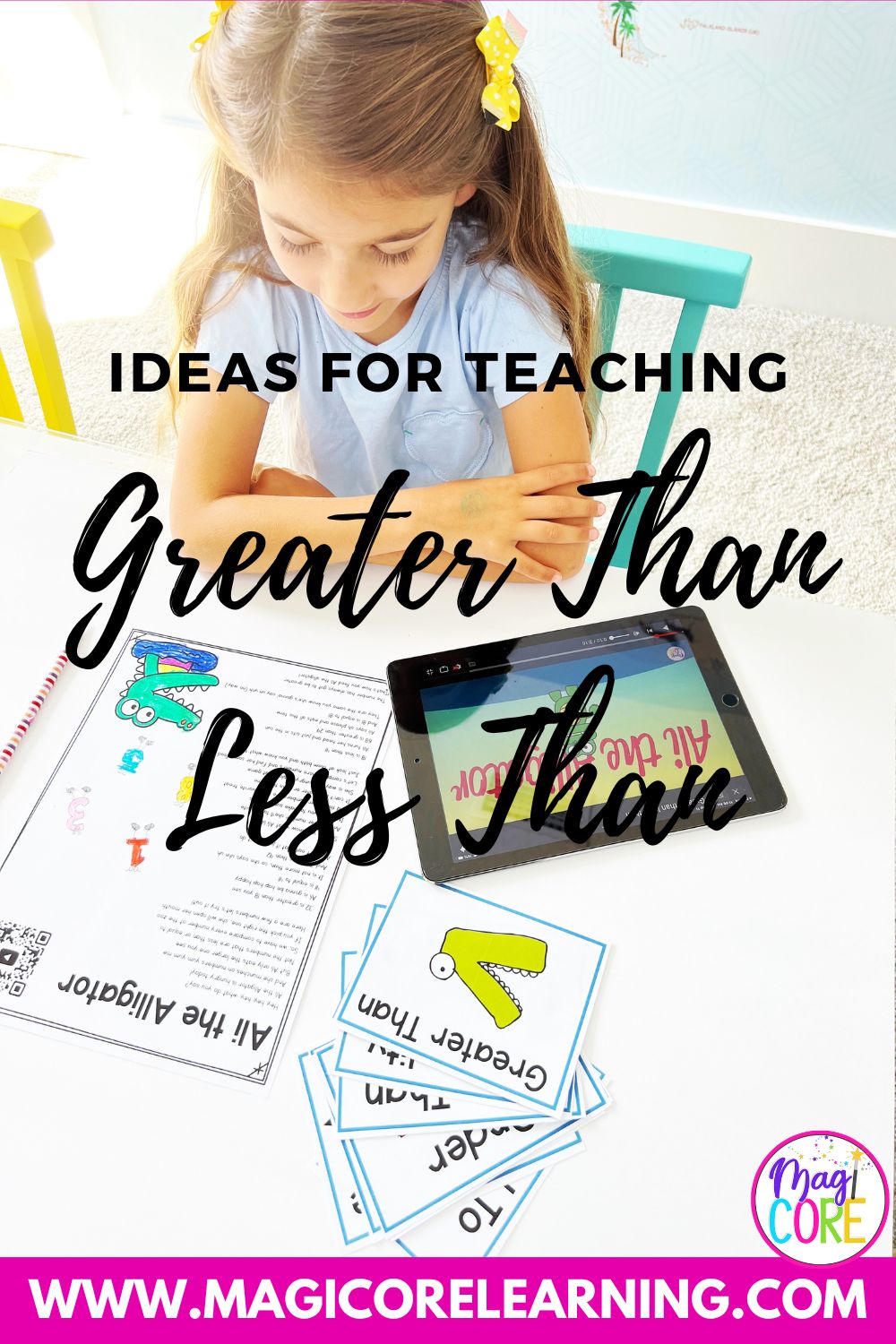
Ok, you’ve made it over the hump of teaching basic place value, so now it’s time to build onto that skill. Number comparison (greater than and less than) is a skill that usually comes soon after teaching basic place value. And whether you were one of the teachers that loved teaching place value or one of the teachers that didn’t, we can all usually agree that comparing numbers and ordering