



As teachers, we are constantly searching for ways to teach new skills or concepts. One thing I’ve learned over the years is that there’s nothing that a good, quality book can’t do. Need a lesson on sharing? Find a good book. Need to teach character, setting, and theme? Find a good book. What about social studies concepts? Oh yeah, there are books for that, too! Read-alouds are so impactful. If
Ahhh, math. I love to teach math. The strategies, the accountable talk, the real-world connections, the tools, the food. Yes… the food. We eat A LOT in math class. Tasty little treats do make the best manipulatives. Math class is fun. I mean, who doesn’t love to eat, right? But out of all of the food-related skills you can teach in math, the hardest skill to teach isn’t even a
Have you ever been standing in a store or restaurant trying to determine the amount of money that you owe or should receive back in change? I told you I show my age a lot 😉. Whether you have or whether you haven’t, it’s potentially a direct result of your number sense ability. Yes, even as an adult, number sense continues to play a role in our lives. As students
I can feel it now. Sweaty palms, a racing heart, an anxious stomach. Is it the first time taking an airplane ride? Getting some life-changing news? Public speaking? No … just math class. We’ve all been there. A sheet full of math problems laid on your desk, the teacher sets a timer, and pencils aren’t allowed to touch the paper yet. The teacher says “go!” and here comes the sweaty
As the start of a new school year quickly approaches, you may feel a little unenthusiastic about giving up your slow and steady mornings, Or, maybe you’re bustling with excitement to get back into the school routine and begin all of the “new.” The start of a new school year is always my favorite. A new year, new students, new supplies, and sometimes even new co-workers. There is something about
Building relationships with your students is the most important thing to increase student success, happiness, and make classroom management seamless. However, building relationships with your students does not mean you should be friends with them. Children need structure and high expectations, but to succeed, they need to know you care about them and have their best interests at heart. Here are five ways to build relationships with your students. Here
The beginning of the year sets an important tone for the entire school year. Things like establishing rules and procedures, and building readers, writers, and mathematicians are vital from the start. One of the most important things to start nurturing and growing from day one is classroom community. Classroom community is the root of how well your students work together, speak to each other, and get to know one another.
Most teachers can relate to staying at school well past contracted hours and bringing home crates full of student work to correct. I’ve been there myself. In my early years of teaching, I would spend many nights and weekends grading and correcting work during my own personal time. This isn’t best for you or your students. Therefore, it is important to have a plan for correcting student work. If you
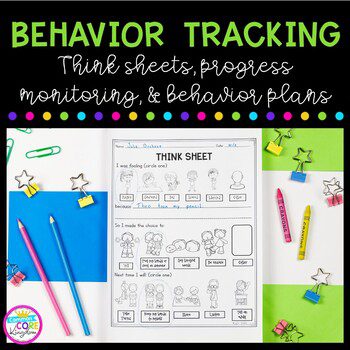
No matter how proactive you are about your classroom management strategies, you will undoubtedly have instances where students don’t follow rules and expectations. For these situations, it is important to have a plan in place that allows for natural consequences. Often times, the only natural consequence that is necessary is time for the student to reflect on their behavior or choices and a follow up discussion with the teacher. For
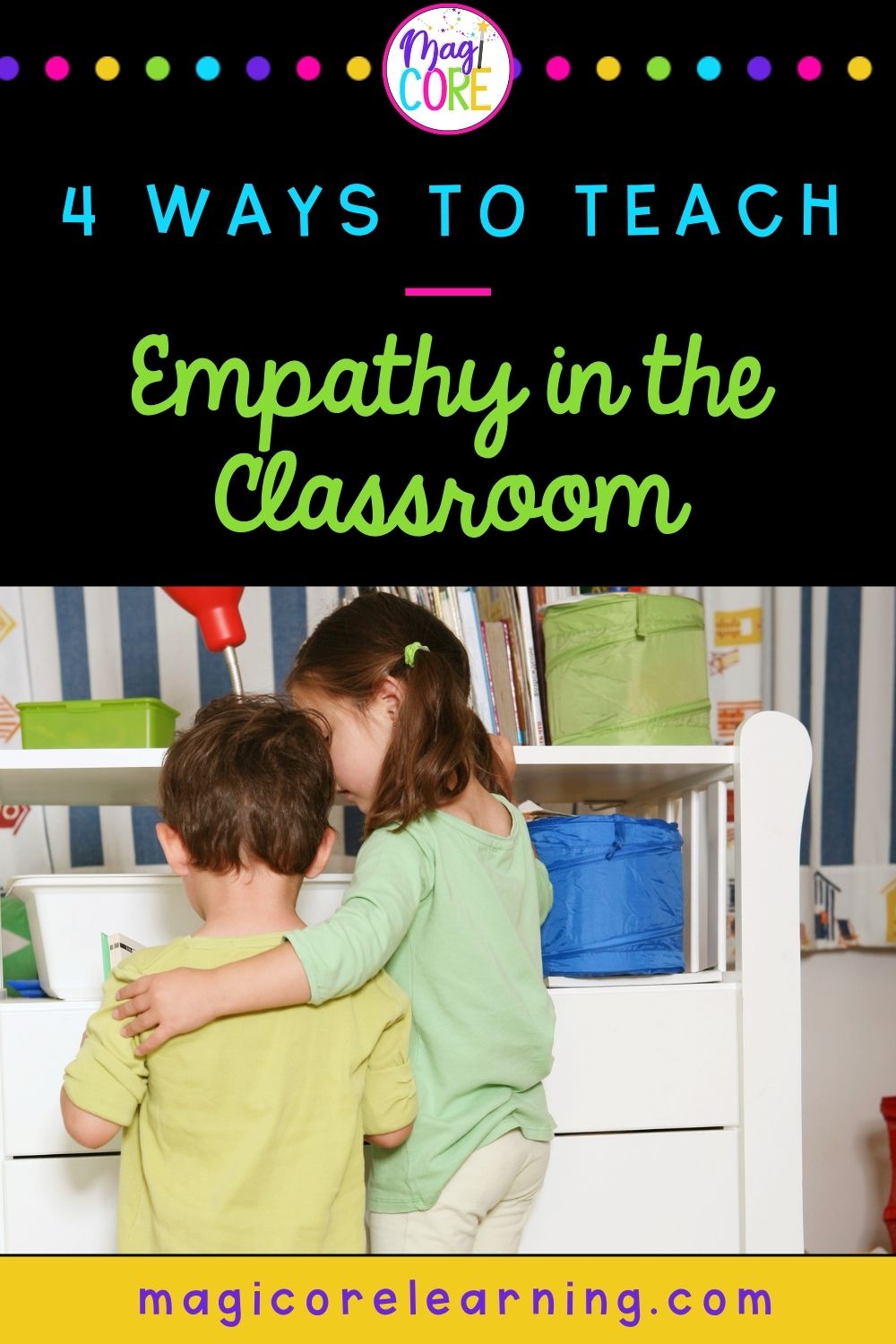
Empathy may seem innate to you. Maybe it never crossed your mind to explicitly teach empathy to your students. However, while empathy is innate to some, it does need to be explicitly taught and modeled to others. If we teach students to recognize others’ feelings and perspectives, it will not only make classroom management easier, but it will make your students more aware and empathetic people. Here are four ways